
Blood Diamonds vs. Lab-Created Diamonds: What You Really Need to Know
Table of Contents
Introduction
Let’s be honest—diamonds are complicated. On one hand, they’ve been the ultimate symbol of love and luxury for decades. On the other, there’s a darker side that doesn’t get talked about at dinner parties: blood diamonds. Yeah, those conflict stones that fund violence and unrest in some of the world’s most troubled regions. But here’s the twist—today, you don’t have to choose between sparkle and ethics. Lab-created diamonds have entered the scene, giving us all a guilt-free option that’s almost indistinguishable from the real thing.
You might be surprised how much the conversation around diamonds has shifted in the last ten years. It’s no longer just about size, cut, or clarity. People are asking, “Where did it come from? Who benefited from this purchase?” And honestly, that’s a good thing. Diamonds can still dazzle, but now they can also tell a story—one that doesn’t come at the expense of someone else’s life.
Background / Story
Think about it: when was the last time a piece of jewelry actually told a story you were proud of? For decades, the narrative of diamonds was all about romance, status, and glamour. But behind the glitter, blood diamonds were quietly funding warlords and conflicts in countries like Sierra Leone and the Democratic Republic of Congo. Horrible stuff, really. Families torn apart. Communities destroyed. All for a shiny rock.
Now, contrast that with lab created diamonds. They’re grown in controlled environments using science that is honestly fascinating. A lab-created diamond starts with carbon and some high-tech wizardry—basically, it’s Mother Nature on a treadmill. And the result? A diamond that can rival any mined stone without the ethical baggage. Plus, it comes with a cool factor. Let’s face it, saying “This diamond was grown in a lab” at a party might get more attention than “It came from a mine somewhere in Africa.”
It’s a weird shift, right? Diamonds used to be untouchable icons of luxury. Now, people are making choices based on morality, environmental impact, and, let’s be honest, a little bragging rights.
Options / Trends / Advice
If you’re thinking about buying a diamond—or just curious about the whole scene—here’s the breakdown:
- Mined Diamonds – Traditional, often expensive, and yes…sometimes ethically questionable. If you go this route, make sure you ask for certification that guarantees it’s not a blood diamond. Don’t just take the jeweler’s word for it.
- Lab-Created Diamonds – Modern, ethical, and often cheaper. They’re also surprisingly flexible. Want a pink diamond? Lab’s got you. Fancy a custom cut that would be rare in nature? Easy. You get the sparkle, minus the moral dilemma.
- Vintage or Estate Jewelry – Here’s a fun alternative. Recycled diamonds from old rings and necklaces. It’s like giving a second life to something beautiful, and you avoid funding conflict entirely.
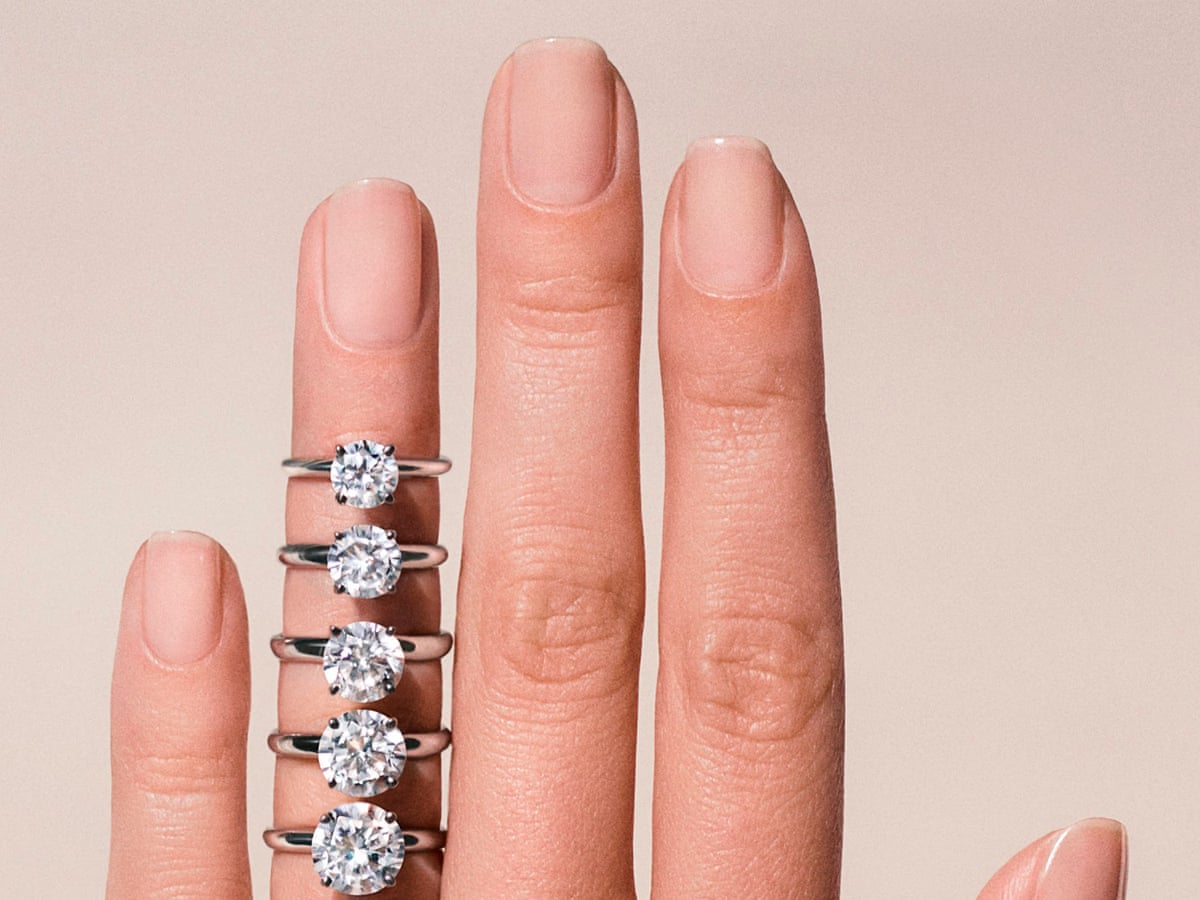
Trends? Well, let’s be honest, lab-created diamonds are hot right now. People love them for engagement rings, statement pieces, and even earrings for everyday wear. They check all the boxes: ethical, visually stunning, and surprisingly versatile.
Local Angle / Why Here
Now, let’s bring it closer to home. Whether you’re in New York, London, or Hong Kong, there’s something unique about the way local jewelers are approaching this shift. In Hong Kong, for instance, high-end boutiques are offering lab-created diamonds alongside traditional ones, but with an emphasis on storytelling. You’re not just buying a rock; you’re buying a narrative.
Compare that to older markets where mined diamonds still dominate. The difference is palpable. Here, transparency and ethical sourcing are part of the brand. You can see it in the marketing, the packaging, and even the way salespeople talk about the stones. It’s a subtle shift, but it changes the experience entirely. Honestly, it makes buying a diamond feel…human again.
Process / How It Works
So, how do lab-created diamonds actually come to life? Let me break it down without turning into a science lecture.
Step 1: Seed crystal – They start with a tiny carbon crystal. Think of it as the seed for your diamond tree.
Step 2: High pressure, high temperature – Sounds intense, right? It is. But that’s what makes the crystal grow. Temperatures can reach thousands of degrees, and the pressure is insane.
Step 3: Layering and shaping – The diamond grows layer by layer, like building a skyscraper out of carbon. Crazy to imagine, but it works.
Step 4: Cut and polish – Finally, just like mined diamonds, lab-created stones are cut and polished to perfection. And here’s the kicker: it’s nearly impossible to tell the difference without specialized equipment.
It’s science, sure—but it’s also a little magical. There’s something satisfying about knowing you can have a stunning diamond without contributing to conflict or environmental destruction.
Conclusion
At the end of the day, whether you choose a mined diamond or a lab-created diamond, it’s more than just a purchase. It’s a reflection of your values, your story, and even your taste. Blood diamonds may still exist, but lab-created diamonds are giving us an ethical alternative that doesn’t compromise on beauty.
So next time someone asks why your diamond is special, you can tell them the truth: it sparkles, it’s ethical, and it’s part of a future where glamour doesn’t come at someone else’s expense. Let’s be honest, that’s a story worth telling.


