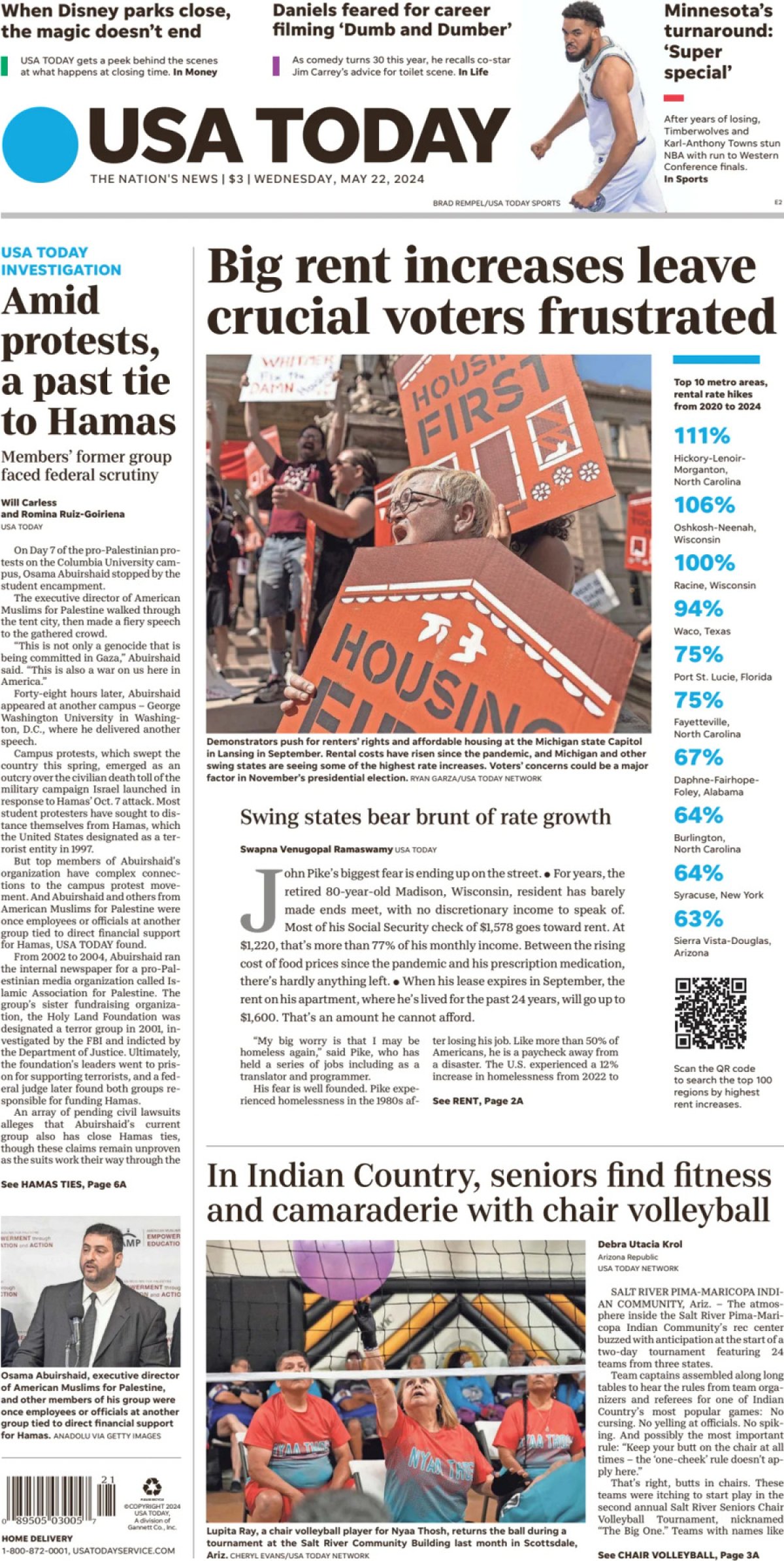
Crafting Irresistible Headlines: Tips to Make Your Content Stand Out
Table of Contents
Introduction to Compelling Headlines
In today’s digital age, where information overload is the norm, a compelling headline can make all the difference. It serves as a gateway to your content, offering a glimpse into what readers can expect. A strong headline not only grabs attention but also sets the tone for your piece. But what exactly makes a headline compelling?
Understanding the Psychology Behind Headlines
At the heart of a compelling headline lies its ability to evoke emotion and curiosity. Emotional triggers such as joy, fear, surprise, or curiosity can compel readers to click. Think about what emotions your headline can stir up in your audience. Curiosity, in particular, can be a powerful motivator. A headline that promises new insights or secrets can pique curiosity and encourage clicks.
Crafting Engaging Headlines: The Basics
The foundation of a compelling headline lies in its clarity and specificity. Clearly conveying what the content is about ensures that readers know what they’re getting into. Specificity adds credibility and attracts the right audience. Consider adding numbers or lists to your headlines where possible. For example, “10 Ways to Boost Your Productivity” is more compelling than “Ways to Boost Your Productivity.”
Using Power Words to Enhance Headlines
Power words are persuasive words that trigger an emotional or psychological response. Words like “ultimate,” “essential,” “guaranteed,” or “proven” add weight to your headline and make it more compelling. They create a sense of urgency or exclusivity that encourages clicks. Experiment with different power words to see which resonate best with your audience.
Utilizing Keywords in Headlines
While creativity is important, integrating relevant keywords into your headlines is crucial for SEO. Keywords help your content rank higher in search engine results, making it more discoverable to your target audience. Strike a balance between creativity and SEO by incorporating keywords naturally into your headlines without sacrificing clarity or appeal.
Structural Tips for Compelling Headlines
The structure of your headline can also impact its effectiveness. thelouisianapost.com should be concise and to the point, typically around 6 to 8 words for optimal engagement. Use headline structures like H1, H2, and H3 tags to improve readability and SEO. Organizing content with clear headings also enhances user experience and makes it easier for readers to scan through your article.
Testing and Iterating Headlines
A/B testing is a valuable technique for optimizing headlines. Create variations of your headlines and test them with your audience to see which performs better. Pay attention to metrics such as click-through rates and bounce rates to gauge effectiveness. Learn from the data and iterate your headlines accordingly to maximize engagement.
Drawing Inspiration from Successful Headlines
Study successful headlines in your niche or industry. What techniques do they use to grab attention? Analyze their language, tone, and structure. While you shouldn’t copy headlines outright, drawing inspiration from effective examples can provide valuable insights into what works and what doesn’t.
Avoiding Common Pitfalls in Headline Writing
Beware of clickbait headlines that promise more than they deliver. While it’s important to grab attention, misleading headlines can damage your credibility and alienate readers. Ensure your headlines accurately reflect the content of your article and offer genuine value to your audience. Ethical headline writing builds trust and fosters long-term reader loyalty.
Headline Writing Across Different Platforms
Adapt your headline writing style to fit different platforms. Social media platforms like Facebook and Twitter require concise, attention-grabbing headlines. Email subject lines should be compelling enough to entice subscribers to open your emails. Tailor your headlines to the platform’s specific audience and engagement patterns for maximum impact.
Creating Urgency and FOMO with Headlines
Create urgency with time-sensitive headlines that convey a sense of immediacy. Phrases like “Limited Time Offer” or “Last Chance” can encourage readers to act quickly. Fear of missing out (FOMO) techniques can also be effective. Highlighting exclusive content or limited availability can motivate readers to click through and engage with your content.
The Role of Visuals and Headlines
Visuals such as images or videos play a complementary role to headlines. They should work together to create a cohesive message that attracts attention. Ensure that your visuals align with your headline and enhance its message. Visual hierarchy can guide readers’ attention from the headline to the supporting visuals, improving overall engagement.
Adapting Headlines to Your Audience
Understand your audience demographics and tailor your headlines to resonate with their interests and preferences. Consider the tone and voice that best align with your audience’s expectations. Personalizing headlines based on audience insights can significantly increase engagement and encourage repeat visits to your content.
Future Trends in Headline Writing
As technology evolves, so too will headline writing. AI-generated headlines are already making waves in content creation. These headlines are optimized based on data analytics and user behavior patterns. Personalization trends will likely continue to shape headline writing, offering more targeted and relevant content experiences for readers.
Conclusion
Crafting compelling headlines is a blend of creativity, strategy, and understanding your audience. By leveraging emotional triggers, clarity, power words, and SEO best practices, you can create headlines that captivate and compel readers to engage with your content. Continuously test and refine your headlines to adapt to changing audience preferences and platform dynamics.