From Tiny Puppy to Loyal Companion: Life With a Chihuahua
Few experiences are as exciting as welcoming a tiny Chihuahua puppy from a reputable Chihuahua breeder into the family. At first, everything is new. The puppy explores new rooms. It meets new people. It learns household routines. It starts to understand where it belongs. With time, that curious puppy can become a loyal friend, full of unique habits and personality.
Although Chihuahuas are among the smallest dog breeds, living with one involves the same long-term responsibilities that come with any dog. Nutrition, socialization, training, veterinary care, exercise, and emotional well-being all matter. Understanding what to expect at different stages can help owners build a healthy relationship that lasts well beyond the puppy years.
Table of Contents
The First Days in a New Home
Moving to a new home is a major transition for a young puppy. It leaves familiar surroundings and suddenly encounters different sounds, smells, people, and routines.
Giving the puppy a quiet, secure area can make the adjustment easier. A comfortable bed, access to fresh water, suitable toys, and a designated feeding area provide some immediate consistency.
It can be tempting for everyone in the household to constantly hold or play with a new puppy. However, puppies also need plenty of rest. Allowing time for sleep and independent exploration can help them become comfortable without overwhelming them.
A predictable routine is particularly useful during this period. Feeding, bathroom breaks, playtime, and bedtime occurring at similar times each day can help the puppy learn what to expect.
Discovering the Chihuahua Personality
As the puppy settles in, its individual personality starts becoming easier to recognize.
Chihuahuas are commonly associated with alertness, confidence, affection, and a surprisingly bold attitude for their size. Individual dogs, however, can behave very differently. One puppy may enthusiastically greet new people while another prefers observing them from a safe distance.
Owners should avoid expecting every Chihuahua to behave exactly like another dog they have seen.
Personality develops through a combination of inherited characteristics and life experiences. Positive interactions, patient handling, and appropriate socialization during puppyhood can contribute to a more confident adult dog.
Learning the individual puppy’s signals is equally important. Understanding when it wants to play, rest, explore, or move away from an uncomfortable situation can improve communication between dog and owner.
Why Early Socialization Deserves Attention
The world can appear enormous to a Chihuahua puppy. Ordinary experiences such as a doorbell, vacuum cleaner, car ride, unfamiliar visitor, or larger dog may initially seem intimidating.
Careful socialization introduces these experiences gradually and positively.
Puppies can become familiar with different people, household sounds, safe environments, surfaces, and situations without being pushed beyond what they can comfortably handle. Positive associations with treats, play, and calm praise can make unfamiliar experiences less stressful.
Socialization is not about making a dog interact with everyone it meets. Instead, the aim is to teach the puppy how to respond appropriately and confidently to everyday situations.
These lessons can continue throughout adulthood. Dogs benefit from ongoing opportunities to experience the world safely rather than having socialization end after puppyhood.
Building Good Habits Through Training
Small size does not eliminate the need for good manners. Training provides Chihuahua puppies with structure while making communication between dog and owner easier.
House training is often one of the first priorities. A consistent schedule, frequent bathroom opportunities, supervision, and rewards for appropriate behavior can help establish the desired routine.
Basic commands can follow. Skills such as coming when called, waiting, walking appropriately on a leash, and leaving potentially dangerous objects alone can have practical safety benefits.
Positive reinforcement works well for encouraging desired behaviors. Food rewards, toys, praise, and affection can help puppies understand exactly what owners want from them.
Patience matters. Puppies are learning constantly and mistakes are part of that process. Consistent expectations are usually more productive than punishment or frustration.
Choosing the Right Puppy From the Beginning
A successful relationship often starts before the puppy even enters the home.
Prospective owners naturally notice physical characteristics first. Some prefer smooth coats, others love the appearance of long-coated Chihuahuas, and certain colors or markings may immediately catch someone’s attention.
Appearance is only one consideration.
Temperament, health history, early socialization, and the puppy’s compatibility with the household deserve serious attention. Someone with a quiet lifestyle may have different expectations from a family wanting a lively and playful companion.
Choosing a Reputable Chihuahua Breeder can also give prospective owners an opportunity to ask detailed questions about a puppy’s background, personality, early care, and parents. Breeders who spend considerable time raising their puppies are often able to share observations that cannot be learned from photographs alone.
The objective should be finding a puppy that can become a suitable long-term family member rather than making a decision based entirely on appearance.
Feeding a Growing Chihuahua
Nutrition plays an important role during puppy development. Because Chihuahuas have small bodies, owners should pay attention to appropriate portions, feeding schedules, and food formulated for the dog’s age and needs.
Puppies generally require a different nutritional balance from adult dogs because their bodies are still developing.
Sudden dietary changes can sometimes cause digestive problems, so owners should ask what the puppy has been eating before bringing it home. Any transition to another food can then be discussed with a veterinarian and handled appropriately.
Weight should also be monitored as the puppy grows. Both underfeeding and excessive weight can create health concerns.
Fresh water should remain readily available, and concerns about appetite, unusual behavior, growth, or feeding should be discussed with a qualified veterinarian.
Caring for a Very Small Dog
The Chihuahua’s tiny size brings some practical considerations that new owners can easily underestimate.
Furniture, stairs, larger animals, and even busy human feet can present risks to a small puppy. Owners should inspect the home from the puppy’s perspective and identify places where accidents could occur.
Interactions with children require supervision. Children should be shown how to touch, hold, and play with a small dog gently rather than treating it like a toy.
Larger household pets should also be introduced carefully. Even a friendly larger dog can accidentally injure a Chihuahua during overly enthusiastic play.
Owners sometimes respond to these risks by carrying their Chihuahua everywhere. Protection is important, but puppies also need opportunities to walk, explore, learn, and develop appropriate confidence in safe environments.
Grooming, Teeth, and Everyday Maintenance
Chihuahua grooming requirements depend partly on coat type.
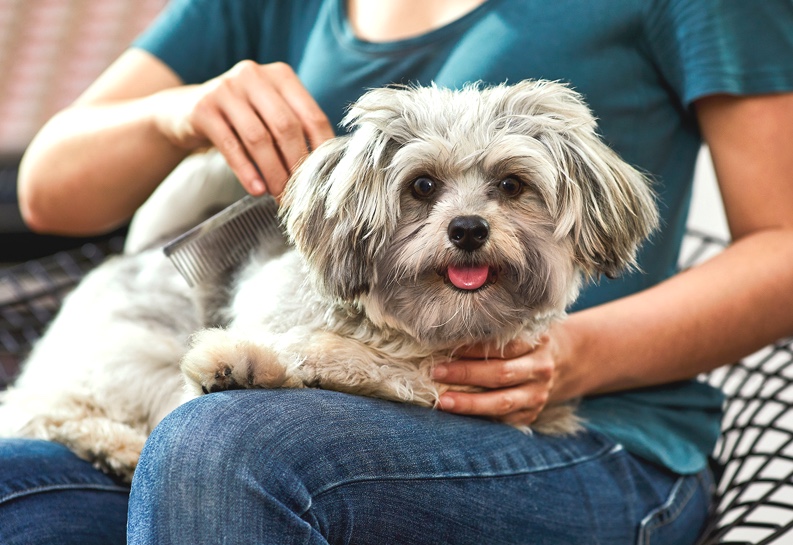
Smooth-coated dogs are generally straightforward to maintain, while long-coated Chihuahuas benefit from more regular brushing to prevent tangles and keep the coat comfortable.
Nail trimming, ear checks, and dental care should become normal parts of the dog’s routine.
Dental hygiene deserves particular attention in small dogs. Introducing tooth brushing while the Chihuahua is young can make the process easier as it matures. Owners should also discuss professional dental examinations and preventive care with their veterinarian.
Starting these routines during puppyhood can prevent grooming and handling from becoming unfamiliar experiences later.
Growing Into an Adult Companion
The puppy stage passes surprisingly quickly.
As a Chihuahua matures, some of the constant puppy energy may change, but its need for attention, stimulation, exercise, and companionship continues. Established routines can evolve to match the adult dog’s needs.
Owners may also notice the bond becoming stronger. Chihuahuas can become closely connected to their people and often enjoy participating in everyday household life.
Maintaining some independence remains valuable. A dog that has gradually learned to relax alone may cope better when owners need to work, run errands, or spend time away from home.
Training should continue as well. Practicing familiar commands and introducing new activities keeps communication strong and provides useful mental stimulation.
Preparing for Years, Not Months
Bringing home a Chihuahua puppy means accepting responsibility for the adult and eventually senior dog it will become.
Before making that commitment, prospective owners should think about veterinary expenses, daily care, travel arrangements, training, lifestyle changes, and the time they can realistically devote to a pet.
Responsible ownership is built through thousands of ordinary moments: preparing meals, going for walks, practicing commands, arranging veterinary visits, playing together, and simply providing a safe place to rest. For more information, visit AKC.org.
Those routines gradually transform a new puppy into a familiar part of everyday life.
A Friendship That Grows With Time
A Chihuahua may arrive as a tiny puppy that fits easily into someone’s arms, but its role in the household can become much bigger.
The transition from puppyhood to adulthood is shaped by consistent care, positive experiences, sensible training, appropriate nutrition, and an understanding of the breed’s needs. Owners who look beyond appearance and prepare for the responsibilities involved are better positioned to provide a stable home.
In return, they have the opportunity to watch a curious little puppy develop its own personality, establish trust, and become a loyal companion.
That gradual transformation is one of the most rewarding parts of sharing life with a Chihuahua.