
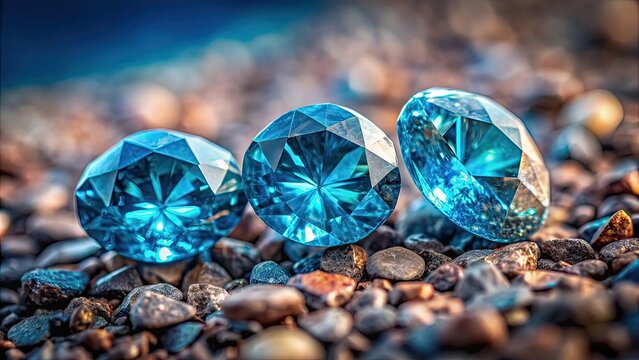
Guide to Lab Grown Diamonds: Everything You Need to Know
Lab-grown diamonds are rapidly becoming a popular choice for jewelry buyers looking for ethical, sustainable, and cost-effective alternatives to mined diamonds. In this comprehensive guide, we will explore what lab-grown diamonds are, how they are made, and why they are an excellent option for engagement rings, necklaces, earrings, and more. Whether you’re a first-time buyer or simply curious about the world of lab-grown diamonds, this guide will provide you with the information you need to make an informed decision.
Table of Contents
What Are Lab Grown Diamonds?
Lab-guides lab grown diamonds that are created in a controlled environment, replicating the natural processes that take millions of years to occur within the Earth’s crust. These diamonds are made using one of two methods: High Pressure High Temperature (HPHT) or Chemical Vapor Deposition (CVD). Despite being grown in a lab, these diamonds share the same physical, chemical, and optical properties as mined diamonds, making them virtually indistinguishable to the naked eye.
Lab-grown diamonds offer several advantages over traditional mined diamonds. They are ethically sourced, as they do not contribute to the environmental damage and human rights concerns often associated with diamond mining. Furthermore, lab-grown diamonds are typically more affordable than their mined counterparts, making them an appealing choice for consumers seeking high-quality diamonds at a more accessible price.
The Process of Creating Lab Grown Diamonds
The creation of lab-grown diamonds begins with a small diamond seed, which is placed in a growth chamber where conditions are carefully controlled. In the HPHT method, the diamond seed is exposed to extreme pressure and high temperatures to stimulate the formation of diamond crystals. On the other hand, the CVD method involves introducing carbon-rich gases into a chamber, where they break down and deposit carbon atoms onto the seed, gradually forming a diamond.
Both methods produce diamonds that are chemically identical to natural diamonds, and they undergo the same rigorous processes to ensure quality. Once the diamonds are grown, they are cut and polished to reveal their brilliance. This process makes lab-grown diamonds a viable option for engagement rings, fine jewelry, and even investment purposes, as they maintain the same allure and durability as mined diamonds.
The Benefits of Lab Grown Diamonds
Lab-grown diamonds offer several compelling benefits, making them a popular choice for consumers worldwide. One of the main advantages is the ethical sourcing of these diamonds. Since they are created in a lab, lab-grown diamonds do not contribute to the negative environmental impacts associated with diamond mining, such as habitat destruction, soil erosion, and water pollution. Additionally, they are not linked to the human rights abuses that have sometimes been associated with diamond mining in conflict zones.
Another significant benefit of lab-grown diamonds is their affordability. Because they are produced in a controlled environment, lab-grown diamonds are generally less expensive than mined diamonds. This allows consumers to purchase larger or higher-quality diamonds within their budget. Whether you’re looking for an engagement ring with a larger center stone or a more intricate design, lab-grown diamonds provide a cost-effective alternative without sacrificing quality.
Finally, lab-grown diamonds are also a sustainable option. The energy required to produce lab-grown diamonds is relatively minimal compared to the energy consumed during diamond mining. As more consumers prioritize sustainability in their purchasing decisions, lab-grown diamonds provide an attractive option for those who wish to minimize their environmental impact.
How to Choose the Right Lab Grown Diamond
When shopping for lab-grown diamonds, there are a few important factors to consider to ensure you select the best stone for your needs. One of the primary considerations is the 4Cs of diamond quality: cut, color, clarity, and carat weight. These four factors play a crucial role in determining the overall appearance and value of the diamond, whether it is lab-grown or mined.
The cut of the diamond is perhaps the most important factor, as it directly impacts the diamond’s brilliance. A well-cut lab-grown diamond will reflect light beautifully, giving it a dazzling sparkle. The color of the diamond is also an important consideration, with the most desirable lab-grown diamonds being colorless or near-colorless. Clarity refers to the presence of inclusions or blemishes in the diamond, and lab-grown diamonds are often of higher clarity than mined diamonds due to the controlled growth process. Carat weight determines the size of the diamond, and lab-grown diamonds are available in a range of sizes to suit different preferences and budgets.
Additionally, it’s important to ensure that the lab-grown diamond you choose comes with proper certification. Look for certifications from reputable gemological institutes, such as the Gemological Institute of America (GIA) or the International Gemological Institute (IGI), which will verify the quality of the diamond and provide you with a grading report.
Lab Grown Diamonds vs. Mined Diamonds: Key Differences
While lab-grown diamonds and mined diamonds are virtually identical in appearance and composition, there are some key differences between the two. The primary distinction lies in their origin—lab-grown diamonds are created in a lab, while mined diamonds are extracted from the Earth. This difference in origin has significant ethical and environmental implications. Lab grown diamonds are considered a more sustainable and ethically responsible choice since they are not associated with the harmful practices of diamond mining, such as environmental destruction or exploitation of workers.
In terms of cost, lab-grown diamonds tend to be more affordable than mined diamonds. This is because the production process for lab-grown diamonds is more efficient, and they do not require the labor-intensive and costly extraction processes associated with mined diamonds. However, lab-grown diamonds still offer the same brilliance, durability, and beauty as mined diamonds, making them a great choice for those who want a high-quality stone without the high price tag.
Where to Buy Lab Grown Diamonds
When purchasing a lab-grown diamond, it’s important to choose a reputable retailer that offers a wide selection of high-quality diamonds. Many jewelers specialize in lab-grown diamonds and can help you select the perfect stone for your needs. Look for retailers that provide detailed information about the diamond’s quality, including certification from trusted gemological institutes. Additionally, some retailers offer custom design services, allowing you to create a one-of-a-kind piece of jewelry that features your chosen lab-grown diamond.
Many online retailers also specialize in lab-grown diamonds, offering convenient shopping experiences and competitive prices. However, it’s always a good idea to read reviews and verify the retailer’s reputation before making a purchase to ensure you are receiving a high-quality product.
Conclusion: Why Lab Grown Diamonds Are the Future
In conclusion, lab-grown diamonds are an excellent choice for consumers seeking an ethical, sustainable, and affordable alternative to mined diamonds. These diamonds are virtually identical to natural diamonds in every way, offering the same brilliance, durability, and beauty. Whether you are looking for an engagement ring, a piece of fine jewelry, or simply an investment, lab-grown diamonds provide a viable and responsible option.


