Lab Grown Diamond vs Real Diamond: Understanding the Brilliance of Lab Grown Diamonds
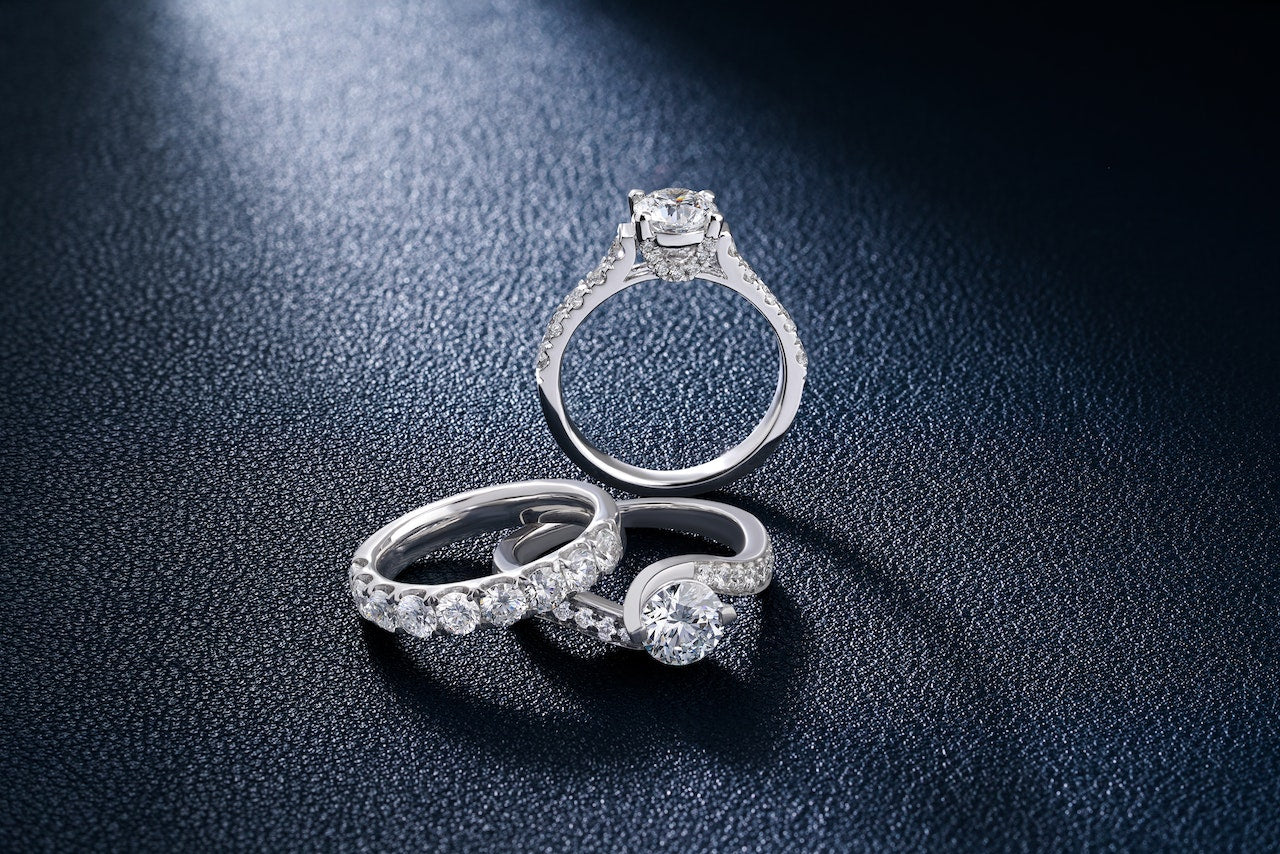
In recent years, the debate of lab grown diamond vs real diamond has sparked widespread interest among buyers, gemologists, and jewellery enthusiasts. As technology advances, lab grown diamonds have become virtually indistinguishable from mined diamonds to the naked eye, offering a modern alternative that promises beauty, ethics, and value. Understanding the differences—and similarities—between these two diamond types is essential for anyone looking to make an informed jewellery purchase.
Table of Contents
The Science Behind the Sparkle
To understand the debate between lab grown diamond vs real diamond , it’s important to explore how each type is formed. Natural diamonds are created over billions of years beneath the Earth’s surface under intense heat and pressure. In contrast, lab grown diamonds are created in laboratories using either High Pressure High Temperature (HPHT) or Chemical Vapor Deposition (CVD) methods. These techniques replicate the natural diamond formation process, producing diamonds that are chemically, physically, and optically identical to those mined from the earth.
The result? A diamond that sparkles just as brilliantly, cuts just as cleanly, and stands up to the same grading standards as its natural counterpart. The key difference lies not in the quality, but in the origin.
Value and Cost Comparison
When comparing lab grown diamond vs real diamond, cost is one of the biggest differentiating factors. Lab grown diamonds are typically 30% to 50% less expensive than mined diamonds of the same size, cut, and clarity. This price difference exists not because lab-grown diamonds are inferior, but because their production process is more controlled, sustainable, and less labor-intensive.
This makes lab grown diamonds a compelling choice for budget-conscious buyers who still want a stunning, high-quality gem. Couples can often afford a larger or higher-quality stone by choosing lab grown, without compromising on sparkle or longevity. The affordability of lab grown diamonds also opens doors to customisation and unique designs that may have been out of reach with mined diamonds.
Ethical and Environmental Considerations
One of the strongest arguments in the lab grown diamond vs real diamond debate is rooted in ethics. Traditional diamond mining has long been associated with environmental disruption and, in some cases, human rights concerns. Lab grown diamonds, however, are produced in controlled environments with a significantly smaller carbon footprint and no association with conflict zones.
For environmentally and socially conscious consumers, this distinction is critical. Choosing lab grown diamonds allows buyers to align their values with their purchases, ensuring that the beauty of their jewellery isn’t overshadowed by concerns about its origin. In a world increasingly focused on sustainability, lab-grown stones are proving to be the preferred option for a new generation of shoppers.
Perception and Resale Value
An interesting aspect of the lab grown diamond vs real diamond discussion involves perception and resale value. Historically, mined diamonds have been seen as heirloom pieces with long-term value. While lab grown diamonds are still relatively new to the mainstream market, their value retention has been the subject of debate.
However, the growing popularity and acceptance of lab-grown gems are slowly shifting this narrative. More jewellers and consumers are embracing lab grown diamonds not just for their affordability and ethics, but also for their lasting appeal. As demand increases, the market is likely to adapt, and resale dynamics could evolve to match the rising interest in these stunning alternatives.
The Future of Fine Jewellery
Looking forward, the question of lab grown diamond vs real diamond is no longer about one being better than the other—it’s about which choice best suits your needs, values, and lifestyle. Lab grown diamonds offer a remarkable balance of brilliance, cost-effectiveness, and environmental responsibility, making them ideal for modern consumers who expect more from their jewellery.
Jewellery brands and designers are increasingly showcasing lab grown stones in their collections, recognizing the shift in consumer preferences. From engagement rings to statement necklaces, lab-grown diamonds are now celebrated as symbols of both beauty and conscious living. This evolution marks a new chapter in the world of luxury—one where elegance and ethics coexist harmoniously.