US News Uncovered: Key Insights and Trends Shaping the Nation
Definition of US News
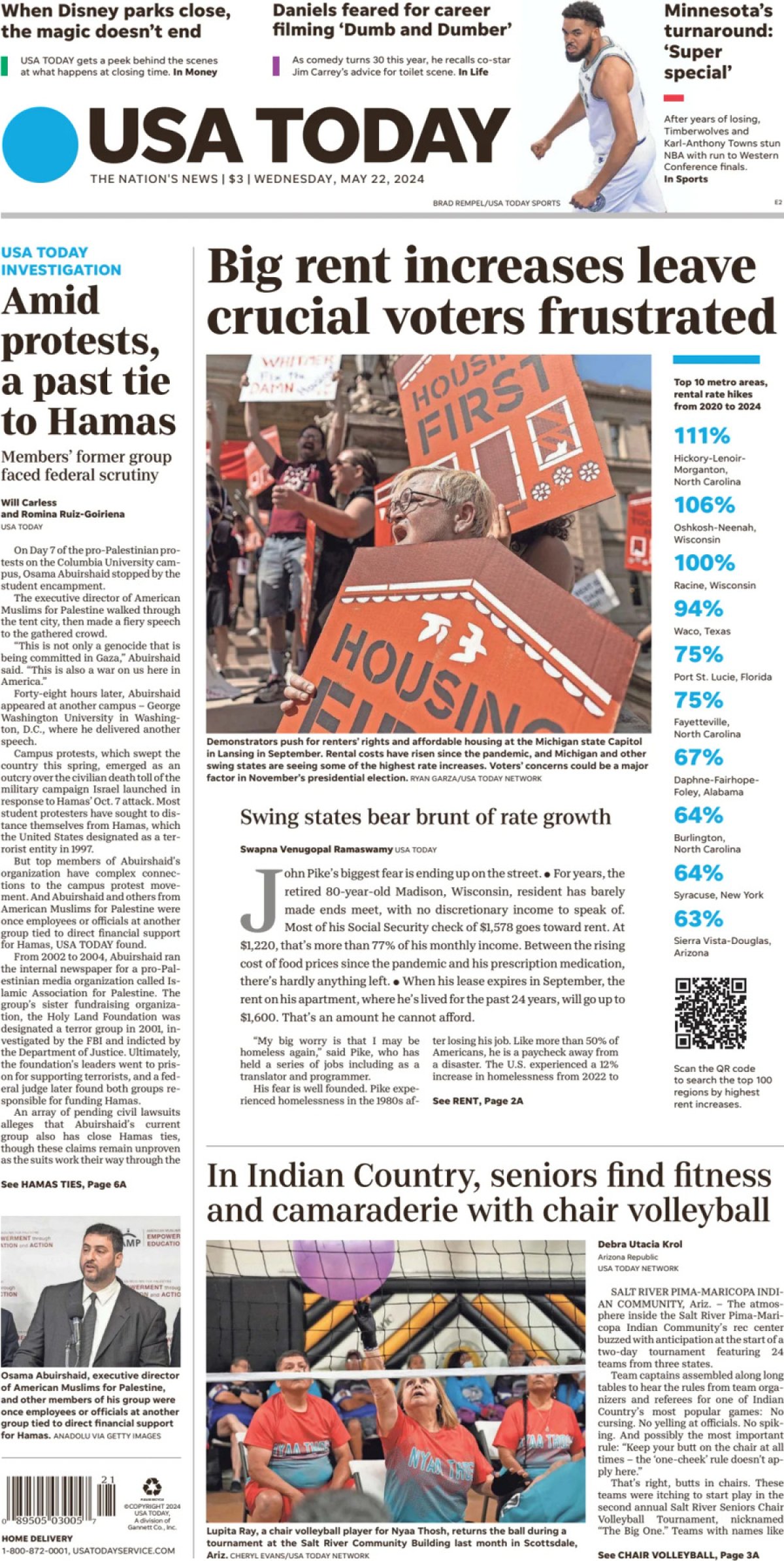
US news encompasses a broad spectrum of information about events, issues, and developments in the United States. It includes everything from political updates and economic reports to cultural stories and sports. The term “US news” reflects the focus on events and issues that are relevant to American citizens and those with an interest in the country.
The Evolution of US News
Historical Overview
The landscape of US news has transformed dramatically over the centuries. From the early days of printed newspapers in the 18th century to the advent of radio and television, and now the rise of digital platforms, news delivery has continuously adapted to technological advancements and changing societal needs.
Major Milestones
Key milestones in the evolution of www.flnewsdaily.com include the establishment of major newspapers like The New York Times and The Washington Post, the introduction of 24-hour news channels such as CNN, and the explosion of digital media with the rise of online news sites and social media platforms.
Importance of US News
Informing the Public
Impact on Public Opinion
US news plays a crucial role in shaping public opinion. Through various media channels, news reports influence how people perceive events, policies, and individuals. This influence is significant as it can sway public sentiment and drive collective action.
Role in Democracy
In a democratic society, the press serves as a watchdog, holding those in power accountable and providing citizens with the information needed to make informed decisions. US news outlets contribute to the democratic process by reporting on government actions, elections, and societal issues.
Shaping Policy and Decision-Making
Influence on Politicians
Politicians often respond to news coverage and public opinion. News stories can prompt legislative action, influence campaign strategies, and affect political decisions. This dynamic interaction underscores the power of the press in shaping policy.
Case Studies
Examining specific cases, such as investigative journalism that uncovered major scandals or influenced policy changes, demonstrates the significant role that US news plays in governance and societal reform.
The Landscape of US News Media
Major News Outlets
Traditional Media
Traditional media includes newspapers, radio, and television networks. These outlets have long been the primary sources of news for Americans. While their influence has been challenged by new media, they remain significant in the news landscape.
Digital Media
The rise of the internet has given birth to a myriad of digital news platforms. Online news sites, blogs, and digital-only publications offer real-time updates and have become integral to modern news consumption.
The Rise of Social Media
Social Media Platforms
Platforms like Facebook, Twitter, and Instagram have transformed how news is shared and consumed. Social media allows for instant dissemination of information and engagement with audiences, making it a powerful tool for both news organizations and individuals.
Impact on News Distribution
Social media’s influence extends to how news is distributed. It enables news to reach a global audience rapidly and allows users to engage directly with content, shaping how news stories are discussed and perceived.
Challenges Facing US News
Misinformation and Fake News
Identifying False Information
One of the significant challenges in today’s news environment is the proliferation of misinformation and fake news. Identifying reliable sources and discerning truth from falsehood is increasingly complex for consumers.
Combating Misinformation
Efforts to combat misinformation include fact-checking organizations, media literacy programs, and initiatives by news organizations to verify and correct false information. These measures are crucial for maintaining the integrity of news.
Media Bias
Understanding Bias
Media bias refers to the perceived or actual partiality of news outlets. Understanding bias involves recognizing how different outlets may present news from various perspectives, influenced by their editorial policies, ownership, or audience.
The Consequences of Bias
Bias in news reporting can lead to skewed perceptions and reinforce existing prejudices. It affects how news is consumed and understood, highlighting the need for diverse and balanced reporting.
The Future of US News
Trends to Watch
Technological Advances
Technological innovations, such as artificial intelligence and data analytics, are poised to further transform news production and consumption. These advancements could enhance personalization and efficiency in news delivery.
Changing Consumer Preferences
As audiences increasingly seek personalized and interactive news experiences, media outlets must adapt to meet these demands. Understanding shifting consumer preferences is key to staying relevant in a rapidly evolving news environment.
Opportunities for Growth
Innovations in News Delivery
Exploring new formats, such as immersive journalism and multimedia storytelling, presents opportunities for news organizations to engage audiences more effectively and enhance the storytelling experience.
Engaging New Audiences
Reaching younger and more diverse audiences requires innovative strategies and content formats. By embracing digital platforms and creating engaging content, news organizations can expand their reach and impact.
Conclusion
US news plays an essential role in informing the public, shaping policy, and influencing societal attitudes. As the media landscape evolves, the challenges of misinformation, bias, and changing consumer preferences require ongoing adaptation and innovation. The future of US news promises exciting opportunities for growth and engagement, driven by technological advancements and new approaches to storytelling.