
Platinum vs Gold Lab Grown Diamond Rings: Which is the Better Choice?
When it comes to choosing the perfect setting for your lab grown diamond, one of the most crucial decisions is selecting the right metal. Platinum vs Gold Lab Grown Diamond Rings are two of the most popular options for engagement rings, wedding bands, and other fine jewelry, each offering its own set of advantages and unique appeal. Understanding the differences between platinum and gold lab-grown diamond rings can help you make an informed decision that suits both your aesthetic preferences and practical needs.
Table of Contents
What Are Lab Grown Diamonds?
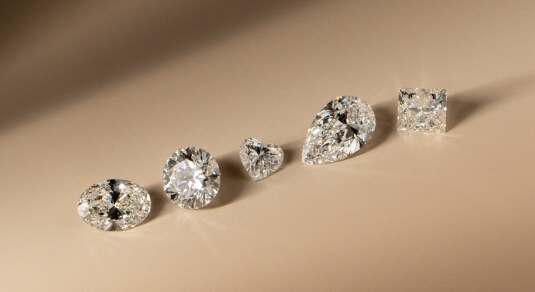
Before diving into the comparison of platinum and gold, it’s essential to understand what lab-grown diamonds are. Lab-grown diamonds, also known as man-made diamonds, are created in a controlled environment using advanced technology that mimics the natural conditions under which diamonds form in the Earth’s crust. These diamonds are virtually identical to mined diamonds in terms of chemical composition, physical properties, and optical appearance, offering consumers an ethical, affordable, and sustainable alternative to traditional diamonds.
Platinum Lab Grown Diamond Rings: Why Choose Platinum?
Platinum has long been regarded as the ultimate symbol of luxury and elegance. When paired with lab-grown diamonds, platinum creates a stunning, timeless look. Here are some of the reasons why platinum is a top choice for those seeking the perfect lab-grown diamond ring:
1. Durability and Strength
Platinum is one of the strongest and most durable metals available, making it an excellent choice for a diamond setting. Unlike gold, which can wear down over time, platinum maintains its strength and integrity. It is highly resistant to scratches, tarnish, and corrosion, making it ideal for daily wear. If you’re looking for a ring that can withstand the test of time and retain its brilliance, platinum is an excellent choice.
2. Hypoallergenic Properties
Platinum is naturally hypoallergenic, meaning it is unlikely to cause allergic reactions or skin irritations. This makes it an excellent option for individuals with sensitive skin or allergies to certain metals, such as nickel, which is often found in white gold.
3. Natural White Appearance
Platinum has a naturally white sheen that enhances the brilliance of the lab-grown diamond. Unlike white gold, which is plated with rhodium to achieve its white color, platinum’s white appearance is intrinsic and does not require re-plating. This means that platinum rings retain their original color and shine for a lifetime.
4. Luxurious Feel and Weight
Platinum is denser and heavier than gold, giving it a luxurious and substantial feel. When worn, platinum rings are often perceived as high-end and exude sophistication and class. If you’re looking for a metal that makes a statement, platinum is the choice for you.
5. Rarity and Value
Platinum is a rarer metal compared to gold, which contributes to its higher price point. The rarity of platinum adds to its allure, making it a highly sought-after material for fine jewelry. Over time, platinum’s value can also hold steady, making it a good investment piece.
Gold Lab Grown Diamond Rings: Why Choose Gold?
Gold has been used in jewelry for thousands of years and remains one of the most beloved metals. When paired with lab-grown diamonds, gold creates a versatile and stylish setting. Here are some of the key benefits of choosing gold for your lab grown diamonds ring:
1. Variety of Colors
Gold comes in a variety of colors, making it highly versatile for customization. The most common types of gold used in jewelry include:
- Yellow Gold: Classic and timeless, yellow gold is warm and traditional, offering a rich color that complements the sparkle of lab-grown diamonds.
- White Gold: A popular alternative to platinum, white gold has a sleek, modern appearance. However, it is often plated with rhodium to achieve its white color, which may require occasional re-plating over time.
- Rose Gold: A romantic and trendy option, rose gold has a beautiful pink hue that pairs wonderfully with lab-grown diamonds, creating a vintage-inspired look.
2. Affordability
Gold is generally more affordable than platinum, making it a great choice for those seeking a high-quality lab-grown diamond ring without breaking the bank. While the price of gold can fluctuate based on market conditions, it is typically more accessible than platinum. This means you can enjoy the luxury of a diamond ring without compromising on your budget.
Looking for more better diamonds? Book a free site visit with Novita Diamonds today! Our experts will bring a selection of stunning diamonds to you, offering personalized advice and exclusive deals. No hidden fees, just a more better experience. Visit novitadiamonds.com.my now to schedule your consultation!
3. Lightweight and Comfortable
Gold is lighter than platinum, which can make gold rings more comfortable to wear for extended periods. This lightweight quality makes it an excellent option for those who prefer a ring that feels less substantial but still maintains a sophisticated look. If comfort is a key factor in your decision-making, gold may be the better choice.
4. Versatility and Style
Gold has a timeless appeal, but it also offers incredible versatility when it comes to styling. Whether you choose yellow, white, or rose gold, the metal can be easily incorporated into a variety of settings and designs. Gold lab-grown diamond rings can range from simple solitaires to intricate designs, making it easy to find a ring that suits your unique taste.
5. Investment and Resale Value
While gold may not retain its value in the same way that platinum does, it is still a valuable metal with a long history of use in jewelry. A well-crafted gold ring, especially one with a lab-grown diamond, can hold its value over time, making it a good investment for the future.
Platinum vs Gold Lab Grown Diamond Rings: Key Differences
When choosing between platinum and gold for your lab-grown diamond ring, it’s essential to weigh the following factors:
| Factor | Platinum | Gold |
|---|---|---|
| Durability | Extremely durable, resistant to tarnish and scratches | Less durable, may require maintenance |
| Hypoallergenic | Naturally hypoallergenic | May cause allergic reactions for some |
| Color | Naturally white | Available in yellow, white, and rose gold |
| Weight | Heavier and denser, gives a luxurious feel | Lighter and more comfortable |
| Affordability | More expensive | More affordable, especially for larger rings |
| Rarity | Rarer and more exclusive | More common and widely available |
Conclusion: Which Metal is Right for You?
Choosing between platinum and gold for your lab-grown diamond ring ultimately depends on your personal preferences, budget, and style. If you’re looking for a highly durable, hypoallergenic, and luxurious ring that will last a lifetime, platinum may be the ideal choice for you. On the other hand, if you prefer a lighter, more affordable option that offers greater flexibility in terms of color and style, gold may be the perfect fit.
Both metals offer their own unique benefits, and when paired with a lab-grown diamond, they create a stunning piece of jewelry that’s sure to turn heads. No matter which metal you choose, you can be confident that your lab-grown diamond ring will shine with brilliance and beauty, offering a sustainable and ethical alternative to traditional mined diamonds.


